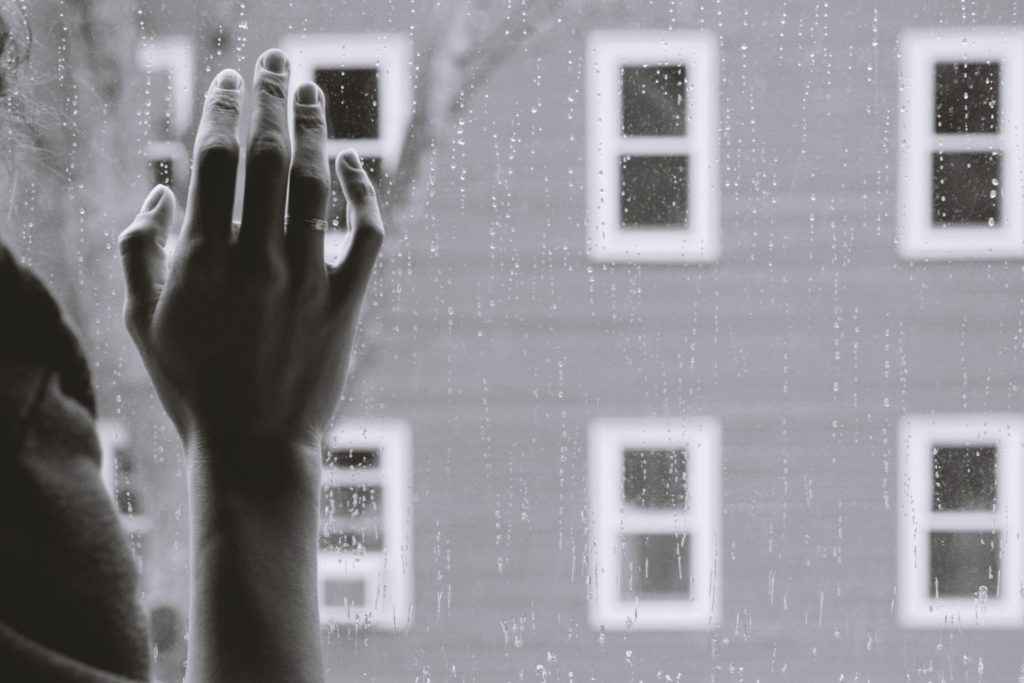



Seasonal Depression or Seasonal Affective Disorder (SAD) is more than just the winter blues. The winter blues happen when you feel down for a bit and like being alone for some time. Seasonal Affective Disorder is a mood disorder that is triggered by a change in season. While it may be just be for a season, it can affect every aspect of your life. It interferes with your daily routine and can make you feel depressed even through holidays and other life events.
It is documented that Seasonal Depression occurs at the same time every year. Some can experience it in late winter, while for some it begins in late spring or early summer. For most Seasonal Affective Disorder usually starts in winter or fall and ends in early summer or spring.
Symptoms of Seasonal Depression
Are you just having winter blues or is it Seasonal Depression? If you suffer from the following symptoms during the same months each year, you may be suffering from Seasonal Affective Disorder:
- Feeling sad most of the time
- Inability to concentrate on a single task
- Anxiety and stress
- Withdrawing from the social activities
- Thoughts of suicide or self-harm
- Sleeping a lot or not sleeping enough
- Feeling unworthy or hopeless
If you are facing Seasonal Depression in summer, you might face these symptoms:
- Anxiety and stress
- Restlessness
- Trouble sleeping
- Having frequent violent episodes
- Weight loss or decreased appetite
Treatments for Seasonal Depression
If you feel that you or your loved one might be suffering from SAD, it is time to step up and do something about it. Here are some of the treatments that have proven to be effective for Seasonal Affective Disorder:
Cognitive Behavioral Therapy
Because Seasonal Depression is a type of mood disorder, CBT is one of the most well-known treatments for this disorder. CBT is a talk therapy where the therapist and the client work together towards developing a plan to deal with the situation. It is observed that CBT produces long-lasting results and is highly effective. Despite this, CBT can be expensive and not many people are able to afford it consistently – even with insurance.
Medications
When the situation is worse, antidepressants can be prescribed by a medical professional. While medications work for many, some people prefer to avoid the side effects associated with taking a prescribed medication.
Light Therapy
Light therapy is one of the most effective treatments for seasonal depression. It is also known as phototherapy in which a special, medical grade light is used. This light is much brighter than a regular indoor light.
This therapy links depression with the hormone that is responsible for drowsiness. It helps in regulating the biological clocks in our brain and it has an anti-depressant effect. This light is directed towards the eyes of the user. Typical light therapy sessions are about 30 minutes per day. It has been observed in multiple case studies that people have treated symptoms quickly by utilizing light therapy.
While there are different options for treating Seasonal Depression, light therapy has been documented as the most effective natural treatment for SAD symptoms.